
In the bustling streets of South India, where street vendors sell everything from chai to cough syrups, a quiet revolution is taking place behind the counter of every pharmacy and in the minds of tomorrow’s doctors. Recent research has shed new light on how students—future prescribers and pharmacists—approach self‑medication, revealing both promising trends and alarming gaps.
For those curious about how this study could change everyday health decisions, Translate the article into your native language to dive deeper into the findings that could shape pharmacy education worldwide. This link appears early in the narrative but not in the opening paragraph, ensuring a smooth read for visitors landing on any health‑news portal.
The Landscape of Self‑Medication in Health‑Science Students
Self‑medication—using drugs without professional guidance—is neither new nor unique to developing nations. However, its prevalence among students studying medicine, pharmacy, and allied health disciplines has attracted fresh scrutiny. A cross‑sectional survey published in a 2026 Nature Communications article sampled over 3,000 health‑science undergraduates across India’s metropolitan hubs.
Key findings include:
- Prevalence: Approximately 68 % of respondents admitted to taking medication on their own for minor ailments such as headaches or colds.
- Source of Drugs: Nearly 45 % sourced medicines from community pharmacies, while 28 % relied on leftover prescriptions and 15 % turned to friends or family.
- Information Channels: A striking 22 % reported consulting online forums or social‑media groups for drug advice—a trend mirrored in global studies cited by the World Health Organization.
The data paints a picture of students who, while academically equipped, still lean on informal networks when immediate relief is needed. This behavior underscores the need for targeted educational interventions that bridge theory and practice.
Why Do Students Turn to Self‑Medication?
When faced with a sudden headache or flu symptom, the urge to “just take something” can outweigh the perceived inconvenience of visiting a clinic. Several factors drive this tendency:
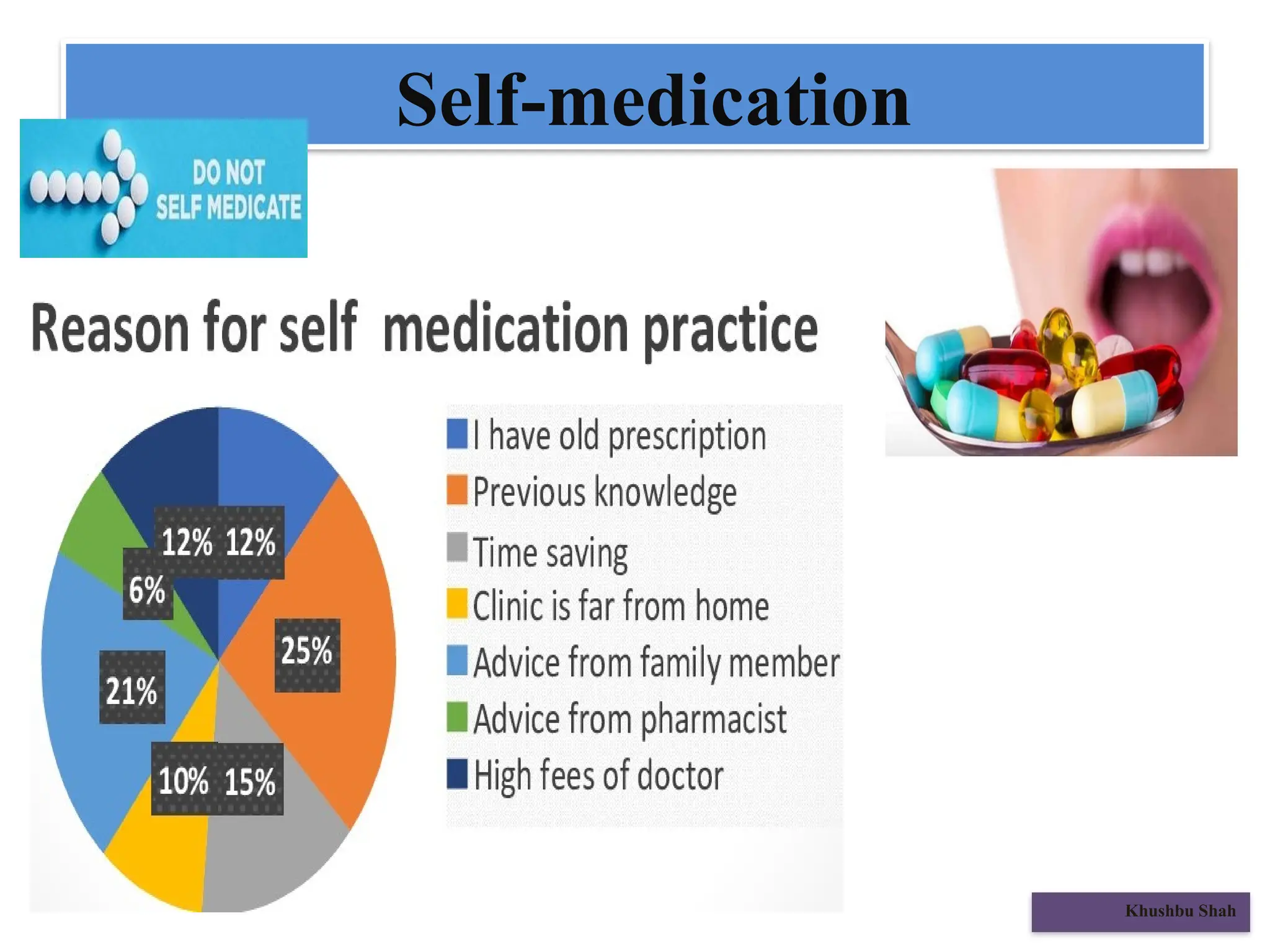
- Time Constraints: University schedules are notoriously tight; a quick pharmacy visit feels more efficient than a doctor’s appointment.
- Financial Considerations: Even minimal co‑payments can add up, especially for students living on limited budgets.
- Perceived Competence: Knowledge of drug mechanisms sometimes gives students confidence to self‑diagnose and treat.
While these motivations are understandable, they can inadvertently lead to medication errors, adverse drug reactions, or the masking of serious conditions—issues that the study’s authors warn could erode trust in healthcare systems over time.
The Role of Pharmacists: Trusted Counsellors Amidst Digital Chaos
One encouraging trend is the continued prominence of community pharmacists as primary sources of medication advice. In India, pharmacies are often the first point of contact for health concerns, especially outside urban centers where specialist clinics are scarce.
The study highlighted that:
- Pharmacists provided accurate dosage instructions in 78 % of interactions.
- Students who consulted pharmacists reported higher confidence in their treatment choices compared to those who relied solely on peers or online posts.
These findings echo global research that underscores the pharmacist’s pivotal role in promoting rational drug use. Yet, the rise of unverified digital content threatens this relationship, as students increasingly turn to social media for quick fixes.
Regulatory Gaps and Digital Information Overload
The internet offers an endless stream of health advice—some credible, many not. The same 2026 Nature article notes that “the ease of accessibility of unsupported, irrational drug information poses a threat to rational drug use.” Regulatory bodies in several countries have begun tightening controls on online pharmaceutical advertising, but enforcement remains uneven.
Key regulatory challenges include:
- Content Moderation: Platforms lack consistent mechanisms to flag or remove misleading drug claims.
- Cross‑border Sales: E‑commerce sites can ship prescription drugs across borders without local oversight.
- Lack of Standardized Labels: Many online vendors omit dosage instructions, leading to misuse.
These gaps create a fertile ground for misinformation. As the study’s authors suggest, “structured educational interventions and reshaping governmental regulations are urgently needed.” Without such measures, self‑medication may shift from a pragmatic coping strategy to a public health hazard.
Educational Interventions: From Classroom to Pharmacy Counter
The research advocates for a paradigm shift in how medical and pharmacy curricula address medication safety. Rather than treating self‑medication as a peripheral topic, it should be woven into core courses through experiential learning:
- Simulation Labs: Role‑playing scenarios where students must advise a patient on drug choice and dosage.
- Interprofessional Workshops: Collaborative sessions between medicine, pharmacy, nursing, and public health students to discuss case studies involving self‑medication risks.
- Digital Literacy Modules: Training on critically evaluating online health information, including fact‑checking tools and recognizing red flags in drug advertisements.
Such interventions could close the knowledge–practice gap that the study identifies. When students learn to weigh benefits against risks before recommending a medication—whether to themselves or to patients—they become better prepared to act responsibly in real‑world settings.
Case Study: A University’s Response
A South Indian university recently piloted an integrated curriculum reform based on the study’s recommendations. The program introduced a mandatory “Medication Safety” module for all first‑year health‑science students, featuring:
| Module Component | Description |
|---|---|
| Didactic Lectures | Pharmacology fundamentals and rational prescribing principles. |
| Clinical Rotations | Hands‑on experience in community pharmacies and primary care clinics. |
| Digital Literacy Workshop | Identifying credible sources of drug information online. |
| Assessment | Scenario‑based quizzes with immediate feedback. |
Preliminary results show a 15 % reduction in self‑medication incidents among participating students compared to previous cohorts, suggesting that curriculum changes can have measurable impact.
Public Health Implications: A Broader Perspective
While the study focuses on student populations, its implications ripple across entire healthcare systems. In many low‑ and middle‑income countries, self‑medication is a coping mechanism for limited access to care. However, it can exacerbate antimicrobial resistance (AMR), a growing global threat.
According to WHO estimates cited in the article:
- More than 70 % of antibiotic prescriptions worldwide are inappropriate or unnecessary.
- Self‑medication with antibiotics contributes significantly to the emergence of drug‑resistant bacteria.
Thus, educating future prescribers about responsible medication use is not merely an academic exercise—it is a frontline defense against AMR. Moreover, public awareness campaigns that promote pharmacist consultation over online speculation can help curb irrational drug consumption.
Community Pharmacy as a Frontline Defense
Pharmacists are uniquely positioned to intercept potentially harmful self‑medication practices. By offering brief counseling during each transaction—especially for high‑risk medications like antibiotics, NSAIDs, or psychotropics—they can:
- Verify proper dosage and duration.
- Identify contraindications based on patient history.
- Encourage follow‑up with a qualified clinician if symptoms persist.
The study’s data support this approach, showing that pharmacist involvement reduces the likelihood of adverse events. Investment in pharmacist training and workload management could therefore yield substantial public health benefits.
Future Directions: Integrating Technology and Policy
Technology offers both a challenge and an opportunity for addressing self‑medication risks. Mobile apps that provide evidence‑based drug information, coupled with AI‑driven risk assessment tools, can guide users toward safer choices. However, these solutions must be paired with robust regulatory oversight to prevent misuse.
Policy recommendations emerging from the study include:
- Standardizing online pharmaceutical advertising regulations across jurisdictions.
- Implementing mandatory licensing for e‑pharmacies that sell prescription drugs.
- Funding research into digital health literacy interventions targeting young adults.
By aligning educational reforms, community pharmacy practice, and technology policy, stakeholders can transform self‑medication from a risky habit into a well‑managed component of patient empowerment.
Research Gaps and Next Steps
The authors acknowledge limitations such as convenience sampling and cross‑sectional design, which restrict causal inference. Future longitudinal studies could track changes in student behavior over time, particularly before and after curriculum interventions.
Additionally, comparative research across different cultural contexts—such as rural versus urban settings or varying health system structures—could illuminate how socioeconomic factors shape self‑medication patterns.
In sum, the 2026 Nature Communications study offers a timely snapshot of self‑medication among future healthcare professionals. Its findings underscore the urgent need for comprehensive educational strategies, pharmacist engagement, and regulatory vigilance to safeguard public health while respecting individual autonomy.